Service Department at Advantage Toyota of River Oaks
Advantage Toyota of River Oaks Service Department
Our Service Benefits
When you need to get your car serviced, you may want to consider taking it to a dealership that sells your make of vehicle. Many dealerships not only sell cars, but work on cars to prepare them to sell, letting them become very familiar with their makes of vehicles.
Warranties
If you purchased a new car and it is still under warranty, your local dealership will be able to access the warranty right away and begin working on your car. This could save you a lot of time, energy and frustration that you would otherwise be using to fill out paperwork or getting the warranty transferred.
Products in Stock
If you are doing basic maintenance, your dealership will be likely to have the products and parts needed to perform the work without having to order them. This will get your car back to you sooner and you will not need to pay for shipping costs.
Familiarity with Your Vehicle
Vehicles are made differently and you want someone who is familiar with your type of vehicle working on your car. Dealers who sell your car should be more familiar with your make and model than other mechanics.
The nicest thing about getting your car serviced at the dealership is that you will be familiar with their style of work and their location. You will not have to worry about looking in the phone book for mechanical work to be done.
Our Services
Listed below are some of the many types of services we offer to our customers. If you would like an estimate, please call or contact us. We would be pleased to provide you with an estimate over the phone.
- Oil Change
- Tire Mounting, Rotation and Balance
- Transmission Service
- 30K, 60K, 90K Service
- Engine Diagnostic (Check engine light, fluid light, service light, etc)
- Brake System (Pads, rotor, lines, etc)
- Heating/Cooling Systems
- Head Gasket/Valves
- Exhaust Systems
- Electronic Motors (Windows, fan, etc.)
- Engine Replacement or Rebuild
- Fuel Systems (Filters, hoses, pumps, etc)
- Steering Systems
- Belts (Timing, alternator, etc)
- Electrical Systems
- Ignition System
- Emission Control System
- Suspension System (Axle, mounts struts, etc)
- Clutch Repair/replacement
- Warranty Repairs
Service FAQs — When to Service Your Car or SUV and Why It Matters
How often should I get my oil changed?
Most modern vehicles with synthetic oil require an oil change every 5,000 to 7,500 miles, though some models extend to 10,000 miles between intervals. Older vehicles or those using conventional oil typically follow a 3,000 to 5,000-mile schedule. The most reliable guidance is your owner's manual — or your vehicle's built-in oil life monitoring system, which factors in your actual driving conditions rather than a generic mileage estimate. Skipping oil changes is one of the most common — and most costly — maintenance mistakes a driver can make. Degraded oil loses its viscosity and lubricating properties, accelerating engine wear and, eventually, leading to expensive internal damage.
How do I know when my brakes need to be serviced?
Your brakes will typically communicate wear before they become a safety concern — if you know what to listen and feel for. Squealing or squeaking during normal braking usually indicates worn brake pads signaling replacement. Grinding sounds suggest the pads have worn through entirely and metal-on-metal contact is occurring — a situation that warrants immediate attention. A pulsating or vibrating brake pedal often points to warped rotors, while a soft or spongy pedal feel can indicate air in the brake lines or fluid issues. As a general baseline, brake pads should be inspected at every tire rotation and replaced when pad thickness falls below 3mm. For most drivers, that equates to every 30,000 to 70,000 miles depending on driving habits and terrain.
What is a 30K, 60K, or 90K service and do I actually need it?
Milestone services are scheduled maintenance intervals that address a comprehensive list of components that wear on a predictable timeline. A 30,000-mile service typically covers air filter replacement, fuel filter inspection, tire rotation, fluid top-offs, and a full systems inspection. At 60,000 miles, spark plugs, transmission fluid, coolant, and brake fluid often come due. The 90,000-mile interval frequently involves timing belt or chain inspection, power steering fluid, and a thorough evaluation of belts, hoses, and suspension components. Skipping these intervals doesn't make the wear stop — it simply means problems compound undetected until they become more expensive to resolve. Staying current on milestone services also preserves your vehicle's resale value and keeps manufacturer warranty coverage intact.
When should I get my tires rotated and why does it matter?
Tire rotation should occur every 5,000 to 7,500 miles — conveniently aligned with most oil change intervals. Front and rear tires wear at different rates depending on drivetrain layout and vehicle weight distribution. Front tires on front-wheel-drive vehicles, for example, handle both steering and acceleration forces and wear significantly faster than rears. Regular rotation equalizes that wear across all four tires, extending their overall lifespan, maintaining balanced handling, and preserving traction performance. Neglecting rotation can result in uneven wear patterns that no amount of future rotation can correct — ultimately forcing early tire replacement at considerably higher cost.
What does a check engine light actually mean — and can I keep driving?
A check engine light indicates that your vehicle's onboard diagnostic system has detected a fault code — but the severity varies considerably. A steady check engine light can range from a loose gas cap to a misfiring cylinder or a failing catalytic converter. A flashing check engine light, however, signals an active misfire that can damage your catalytic converter and should prompt you to reduce speed and seek service promptly. While a steady light without other symptoms often allows for continued short-term driving, it should be diagnosed within a few days. Ignoring it entirely risks a minor issue escalating into a significantly more expensive repair — and in some states, an unresolved check engine light will cause your vehicle to fail its emissions inspection.
How often should an SUV be serviced compared to a car?
SUVs follow similar fundamental service intervals to passenger cars for oil changes, brake inspections, and tire rotations. However, SUVs — particularly those equipped with all-wheel drive or four-wheel drive — have additional service requirements that sedans do not. Transfer case fluid, front and rear differential fluid, and four-wheel-drive actuator inspections are maintenance items specific to SUVs and trucks that many owners overlook. These fluids degrade over time and, if left unchanged, can cause costly drivetrain damage. If your SUV is used for towing, off-road driving, or frequent highway miles, service intervals for certain components may also be shortened. Checking your owner's manual for severe-duty maintenance schedules is strongly recommended for drivers who fall into these categories.
Why is it better to have my vehicle serviced at a dealership rather than an independent shop?
The primary advantage is specialization. Dealership technicians are factory-trained specifically on your make and model, have access to proprietary diagnostic tools that aftermarket scan tools cannot fully replicate, and use genuine OEM parts engineered to your vehicle's exact specifications. For vehicles still under warranty, dealer service is essential — warranty repairs must be performed by an authorized dealer to remain valid. Dealer service records also tend to carry more weight when you sell or trade in your vehicle, as they provide a verifiable, documented maintenance history that buyers and appraisers trust. For complex issues involving software updates, safety recall repairs, or advanced driver-assist system recalibration, a dealership service department is often the only facility properly equipped to handle the work correctly.
How do I know if my car needs a transmission service?
Transmission fluid should typically be inspected every 30,000 miles and replaced on a schedule outlined in your owner's manual — often between 60,000 and 100,000 miles depending on the vehicle and driving conditions. Warning signs that service may be overdue include delayed or rough shifting between gears, slipping out of gear unexpectedly, a burning smell, or dark and gritty transmission fluid (healthy fluid is typically pink or red and nearly translucent). Transmission repairs are among the most expensive services a vehicle can require — often ranging from $1,500 to $5,000 or more. Proactive fluid changes at the recommended intervals represent a small investment that can prevent that outcome entirely.
Service Specials

Everyday Oil Change Special
Full Synthetic Oil Change With Multi-Point Inspection Eligible for Toyota & Scion models

Get Ready for Fall

Fall Ready Check Up
With Multi-Point Inspection

We Match Other Dealer Coupons
We will match other Toyota and Lexus Dealer Coupons. Max Discount up to $100

Fall Service Special
SPECIAL INCLUDES: 5QT SYNTHETIC OIL CHANGE, TIRE ROTATION, REPLACE ENGINE AIR FILTER, REPLACE FRONT WIPER BLADES, BRAKE INSPECTION, ALIGNMENT CHECK, TOP OFF FLU
Read More
Pre-Paid Maintenance Plan A
2 Year - 5 Services 1. Oil Change, Tire Rotation, and MPI 2. Tire Rotation & MPI 3
Pre-Paid Maintenance Plan B
2 Year - 5 Services 1. Oil Change, Tire Rotation, and MPI 2. Tire Rotation & MPI 3

Alignment Inspection
Alignments are crucial to ensuring that you get the longest life out of your tires.

Four Wheel Alignment
Alignments are crucial to ensuring that you get the longest life out of your tires. Includes 6 Month or 6,000 Mile Guarantee.
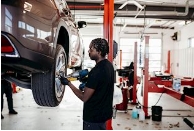
Tire Rotate & Brake Inspection
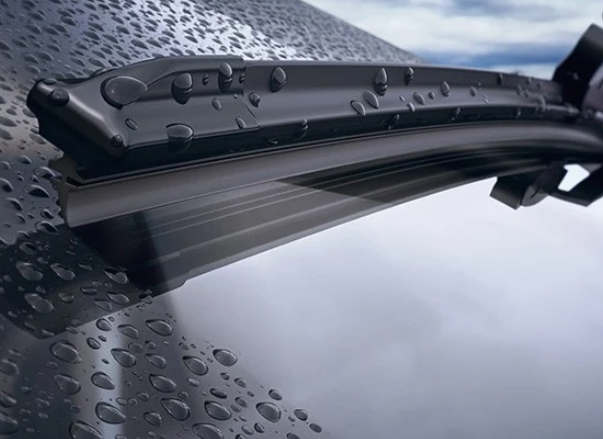
Wiper Blades
New wiper blades are crucial for maintaining clear visibility and road safety


Complete Brake Service

Remote Start Installed
Receive $50 Off a Pursuit Single Button Long Range Remote Start Installed.